Ways Electronic Waste Disposal Can Enable Businesses Go Environmentally Friendly: Green Practices for Corporate Entities
Electronics recycling delivers a vital option for enterprises looking to boost their environmental efforts. By addressing e-waste correctly, organizations can minimize their environmental consequences and extract significant resources. Moreover, embracing these approaches can enhance informative guide brand reputation with environmentally minded buyers. Yet, numerous companies might fail to recognize the difficulties inherent in launching a productive recycling approach. Understanding these details is important for plotting the direction to sustainable activities and obtaining enduring gains.
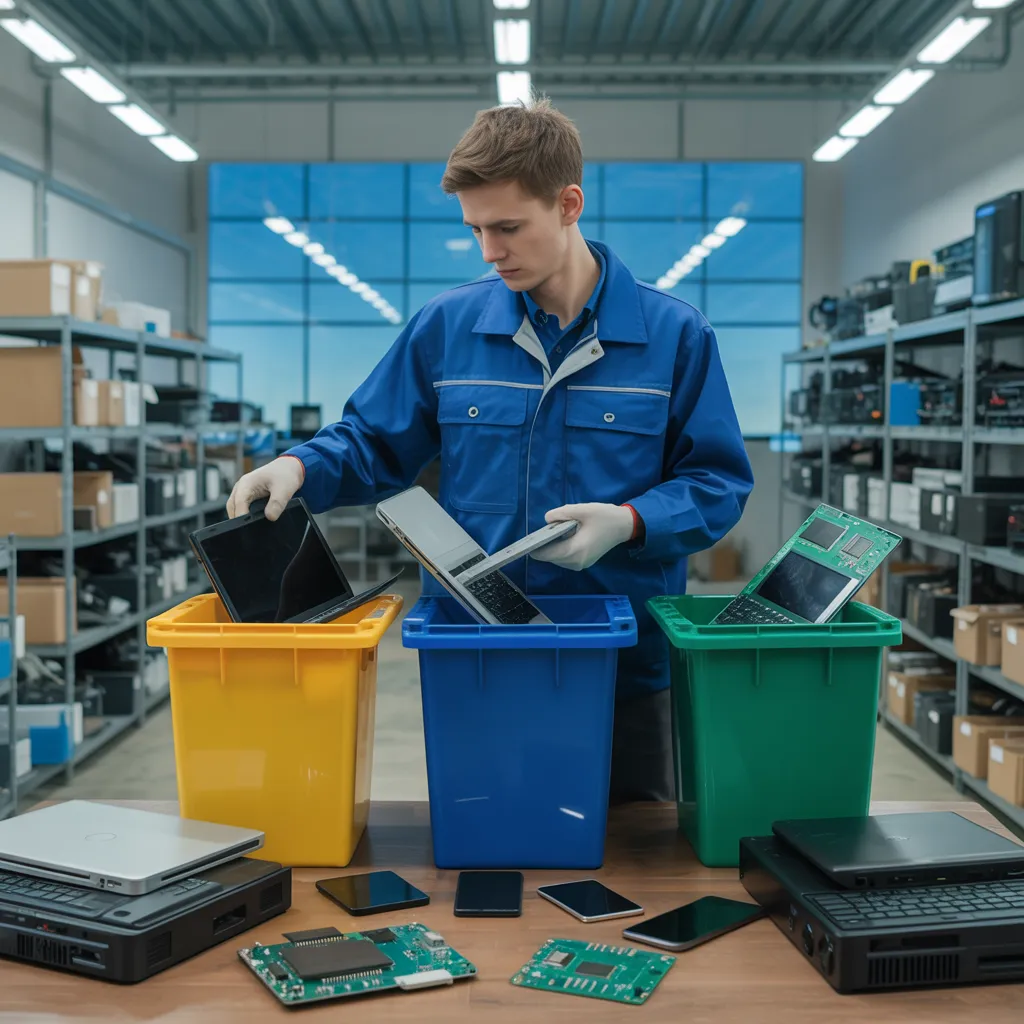
Why Electronic Devices Reclamation Matters for Enterprises
Although many enterprises may ignore the importance of electronics recycling, it functions as an essential role in furthering sustainability and reducing environmental impact. As technological advancements speed up, companies frequently modernize their electronic devices, resulting in a surging volume of e-waste. Proper recycling ensures that valuable materials are recovered, reducing the demand for new material sourcing and preserving energy.
Furthermore, engaging in electronics recycling can strengthen a company's credibility. Consumers increasingly support businesses committed to sustainable practices, and displaying responsibility in managing e-waste can draw environmentally minded customers. Compliance with regulations regarding electronic waste also shields businesses from potential legal liabilities and fines.
Additionally, recycling can produce financial advantages. By responsibly disposing of outdated electronics, companies can decrease waste disposal fees and gain financial value from recyclable materials. Overall, embracing electronics recycling is not simply an responsible choice; it is a strategic business decision that corresponds with modern sustainability goals.
Ways Electronics Recycling Minimizes Environmental Consequences
Electronics recycling serves a vital role in curtailing environmental impact by preserving natural resources and minimizing e-waste pollution. By extracting valuable materials, this practice supports the advocacy of circular economy principles. As enterprises participate in accountable recycling, they participate to a more sustainable future.
Preserving Natural Resources
Recycling electronics considerably supports the preservation of valuable materials by reclaiming precious elements. Many electronic devices contain valuable metals such as gold, silver, and palladium, which are extractable and reusable. This process reduces the necessity of mining, a energy-intensive operation that depletes ecosystems and uses significant energy. Moreover, recycling assists in recovering rare earth elements that are necessary in manufacturing new technologies. By diverting electronic waste from landfills, businesses not only diminish the environmental impact of resource extraction but further promote a circular economy. This sustainable habit allows companies to cut down on their carbon footprint, lower production costs, and champion environmental stewardship, ultimately fostering a healthier planet for future generations. Through responsible recycling, businesses can lead the way in conserving essential natural resources.
Minimizing E-Waste Environmental Impact
A notable share of global waste is made up of electronic devices, leading to growing environmental pollution. E-waste that is disposed of improperly emits harmful substances including heavy metals and toxins, polluting soil and water sources. Recycling electronics mitigates these risks through the safe and responsible processing of harmful components. By reusing materials such as metals, plastics, and glass, recycling minimizes the need for new resource extraction, leading to reduced environmental impact. Additionally, recycling programs encourage the responsible disposal of outdated devices, helping businesses comply with environmental regulations. Through electronics recycling, companies lower their carbon emissions and promote a healthier ecological balance. This forward-thinking method illustrates corporate responsibility while effectively dealing with the urgent problem of e-waste pollution.
Supporting Circular Economy Implementations
Establishing strong e-waste management initiatives constitutes a fundamental dimension in cultivating circular economy frameworks. When organizations process discarded electronics, they can dramatically reduce the call for virgin materials, thus protecting natural resources and stemming environmental harm. This initiative enables the recovery of precious materials, extending the product lifetime of products and lowering the volume of electronic waste transported to disposal facilities. Furthermore, through embracing circular economy models, enterprises can enhance their reputation and respond with consumer demand for sustainable operations. Supporting responsible waste management furthermore stimulates innovation in manufacturing design, compelling manufacturers to create devices that are more straightforward to deconstruct and recycle. In essence, embedding electronics recycling within business operations furthers a more environmentally responsible future, aiding both the ecosystem and the economy.
Top Advantages of Electronics Recycling for Enterprises
Electronics recycling delivers substantial advantages for firms, mainly through cost savings and pollution decrease. By properly handling outdated equipment, organizations can lower disposal costs and recover essential resources. Furthermore, adopting waste management solutions strengthens organizational ethics and fosters green initiatives.
Budget Cuts Openings
Plenty of firms are discovering remarkable cost savings through effective electronics recycling practices. By implementing these initiatives, organizations can minimize fees associated with e-waste, since recycling often is more affordable than landfill disposal. In addition, important materials recovered from used electronics can be resold, creating revenue and reducing replacement costs. Streamlined recycling processes also minimize storage costs for obsolete equipment, unlocking valuable office space. Also, many organizations experience from tax incentives related to environmentally friendly practices, adding another aspect of financial advantage. Ultimately, implementing electronics recycling not only promotes corporate responsibility but also fosters economic efficiency, helping businesses to allocate resources more intelligently and improve their bottom line.
Lowering Environmental Consequences
A considerable decrease in ecological impact is one of the fundamental advantages companies benefit from when they initiate organized electronics recovery initiatives. By salvaging functional devices, institutions can curb hazardous materials, such as toxic elements and harmful substances, that can infiltrate soil and water bodies. This not only supports the preservation of natural assets but also minimizes the carbon intensity caused by constructing new devices. Additionally, supervising decreases energy demands, as it often requires lower power consumption to refine recovered substances than to obtain and refine primary resource stocks. As organizations put into place such methods, they foster circular production models, encouraging environmental protection and stewardship. Ultimately, accountable material recycling enables organizations to bolster green reputation while supporting the natural world.
How to Formulate a Winning Electronics Recycling System
Forming a successful electronics recycling framework requires careful strategizing and execution. Businesses should begin by evaluating their current e-waste management practices to recognize areas for improvement. This evaluation should include an inventory of outdated devices and an appraisal of discharge methods.
To begin, organizations are required to establish specific targets for their sustainability initiatives, which could involve minimizing waste creation, raising recycling achievements, or advancing environmental goals. Engaging the workforce using developmental sessions fosters a foundation of ecological accountability and encourages participation in sustainability activities.
Additionally, formulating a schedule and financial allocation is vital for tracking progress and ensuring resources are allocated efficiently. Regularly reviewing and updating the plan based on feedback and changing regulations helps sustain compliance and success. By integrating these elements, companies can create a strong electronics recycling strategy that not only helps the environment but also promotes corporate responsibility and improves their sustainable image.
How to Pick the Right Electronic Device Recycling Provider
In what way can a enterprise confirm that its electronics recycling provider adheres to its environmental objectives? Determining the right recycling partner requires thorough assessment of their procedures and qualifications. Organizations should pursue providers who hold established certifications, like R2 or e-Stewards, which validate compliance to environmental standards.
Additionally, organizations should inquire about the partner recycling processes, including the methods used to handle hazardous materials and the amount of recycled materials versus those directed to landfills. Honesty in reporting and data management practices is also critical.
Furthermore, a solid reputation in the industry can be indicative of dependability; businesses may gain advantages from reviews and testimonials from other clients. Participating in open communication about sustainability goals will help ensure alignment. Ultimately, selecting a partner dedicated to ethical recycling practices can significantly improve a corporation's overall green initiatives.
Debunking Popular Misconceptions About Electronics Recycling
Many organizations recognize the value of electronics recycling, but a number of myths continue that can limit efficient practices. A frequent misconception is that all electronics can be discarded in standard recycling bins. Actually, specific facilities are required to treat electronic waste safely. Another myth implies that recycling electronics is too costly for businesses. In reality, several recycling programs offer free or low-cost services that can finally save companies money by reducing waste disposal fees. Additionally, some believe that data security concerns make recycling too risky. However, reputable recycling partners offer certified data destruction services, guaranteeing sensitive information is properly handled. Lastly, there is a belief that recycling electronics has minimal environmental impact. In truth, proper recycling significantly reduces e-waste in landfills and saves valuable resources. Debunking these myths is important for businesses seeking to adopt sustainable practices and contribute positively to the environment.
Monitoring Your Electronics Recycling Success
Firms that successfully refute misconceptions about electronics recycling often find themselves keen to track their headway. Tracking key performance indicators is critical for evaluating the performance of recycling initiatives. Measurements such as the volume of e-waste recycled, the fraction of materials salvaged, and cost savings can provide worthwhile intelligence.
Furthermore, organizations should evaluate their emissions reduction efforts and adherence to environmental regulations. Involving staff through awareness programs can also be measured by participation rates in waste management initiatives.
Considering customer responses can better develop understanding of the recycling program's consequences. Ongoing assessments and communication on these indicators not only highlight successes but also reveal zones needing development.
In the final analysis, a systematic approach to gauging electronics recycling success allows businesses to make fact-based decisions, building a culture of sustainability that supports both the environment and the organization.
Often Raised Questions
What Kinds of Electronics Can Be Reprocessed?
A wide variety of electronic equipment are recyclable, such as computers, smartphones, tablets, televisions, printers, and gaming consoles. These items frequently hold precious resources that can be reclaimed, minimizing waste and supporting environmental sustainability.
How Frequently Should Businesses Replace Their Electrical Equipment?
Companies should recycle their electronics at least once yearly, or more frequently based on technological upgrades and hardware replacement. Regular recycling assures efficient resource management and compliance with environmental regulations, fostering environmental stewardship throughout the business.
Are There Expenses Associated With Electronics Recycling?
Yes, there are expenses associated with electronics reclamation, including pickup, transportation, and processing fees. However, these charges can be offset by possible gains from reduced waste disposal and compliance with environmental standards.
May Recycling Electronics Result in Data Security Risks?
Yes, recycling electronics can create security vulnerabilities if correct protocols are not followed. Confidential data may be accidentally revealed during the recycling process, underscoring the significance of secure data destruction techniques before removal.
What Certifications Must a Recycling Partner Demonstrate?
A trusted recycling partner should obtain certifications such as R2, e-Stewards, and ISO 14001. These certifications ensure compliance with ecological requirements, data security protocols, and sustainable disposal methods, safeguarding both the natural world and confidential data.